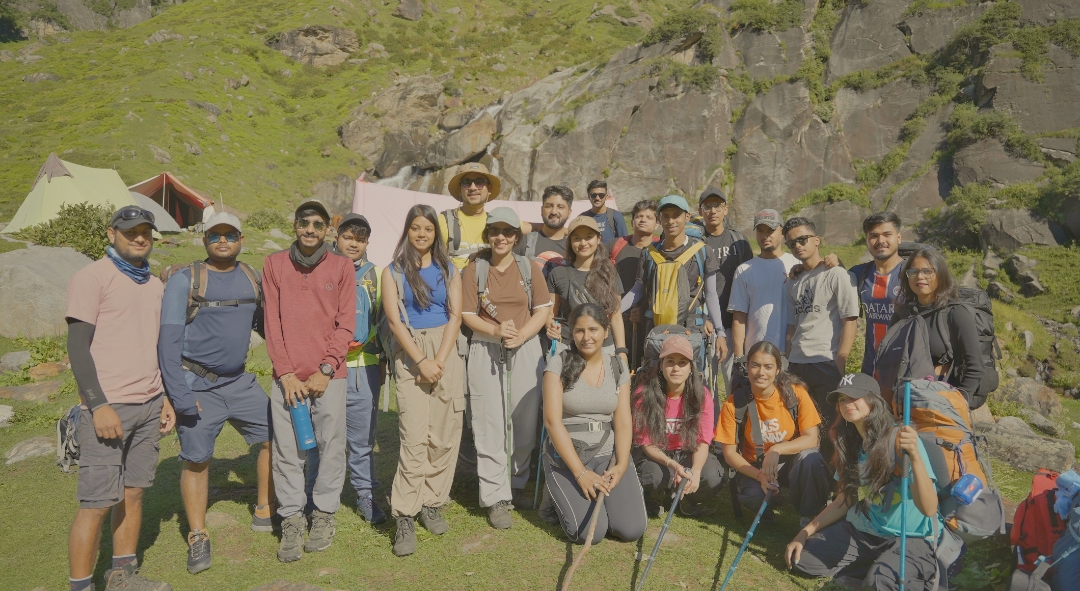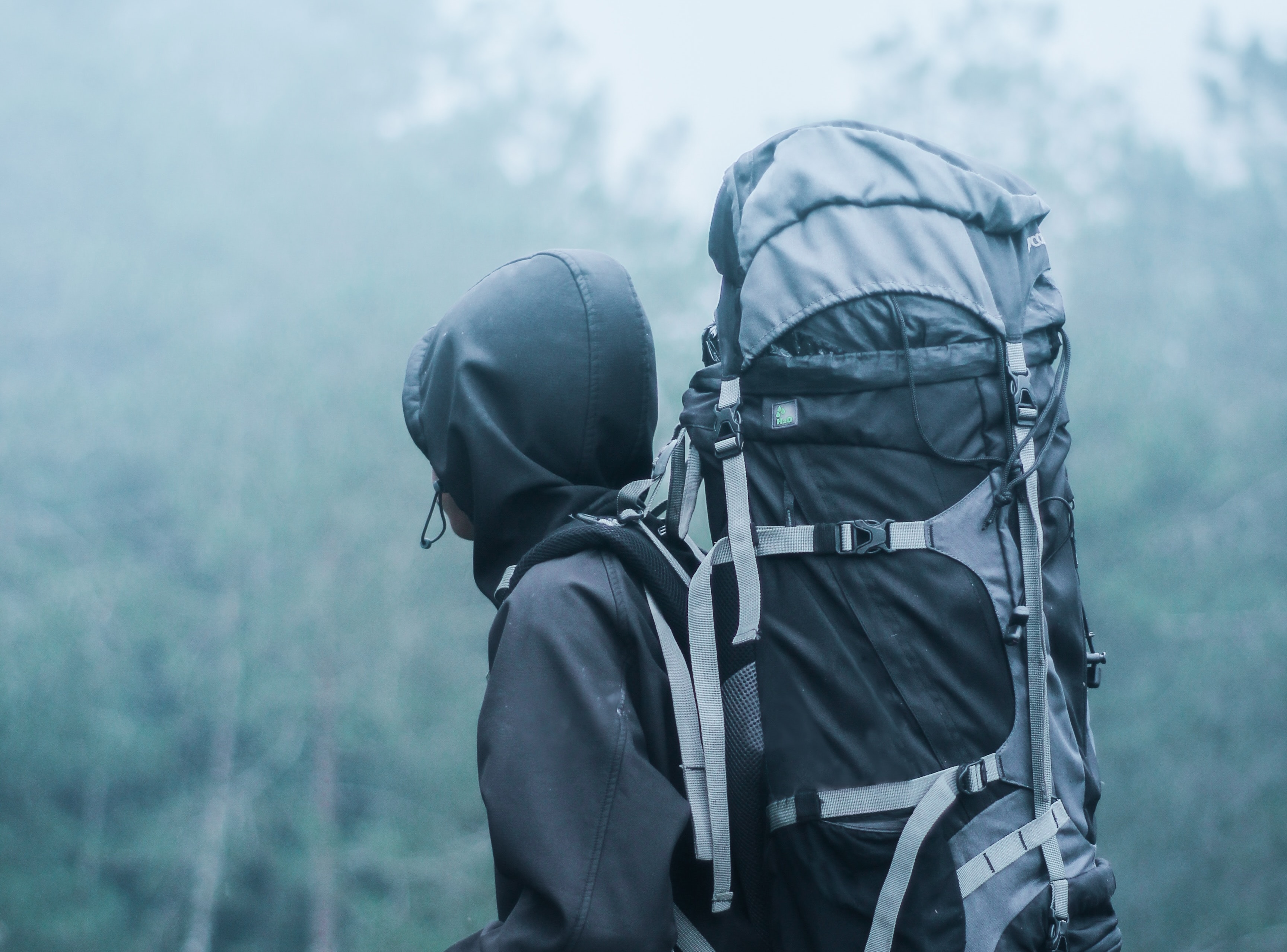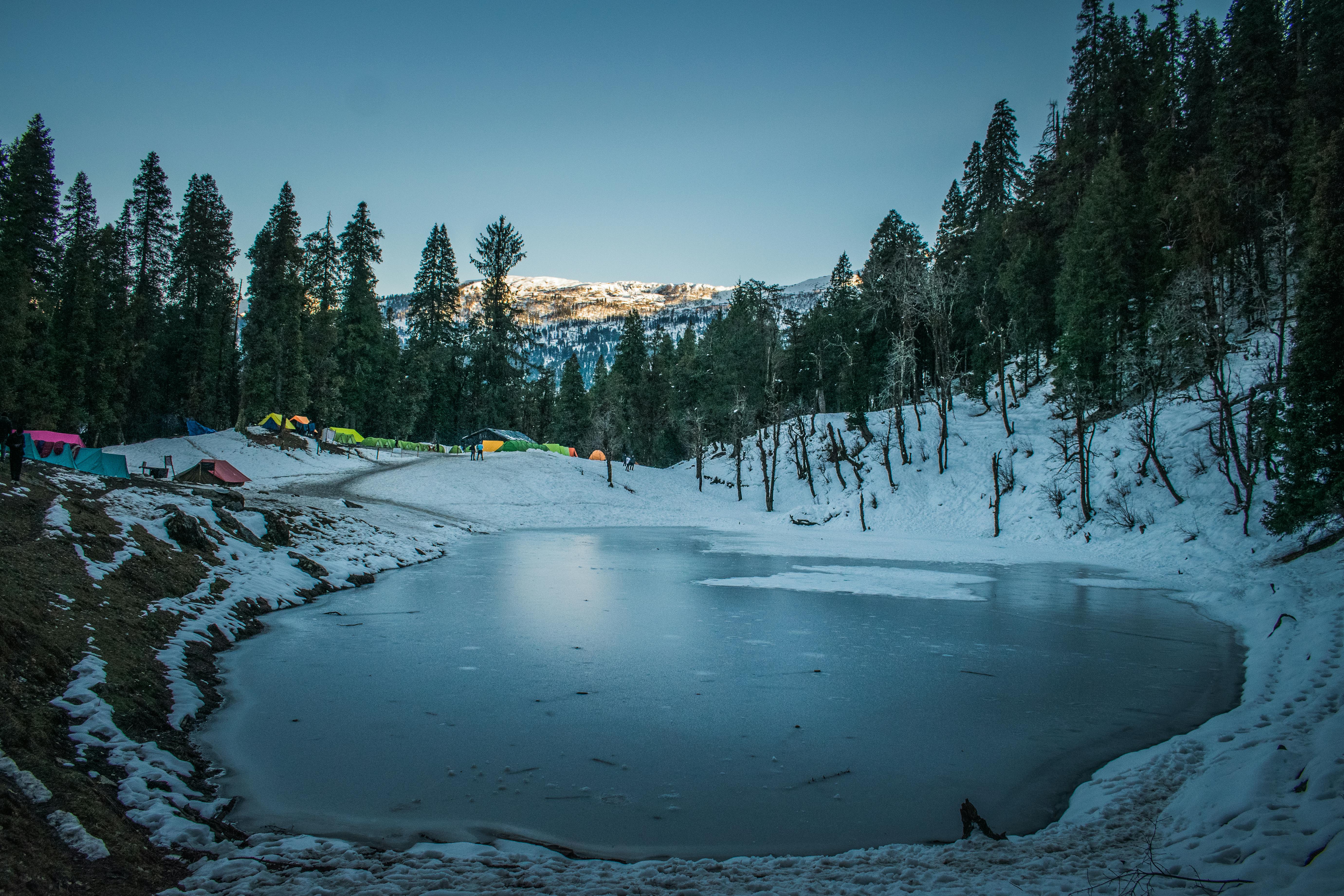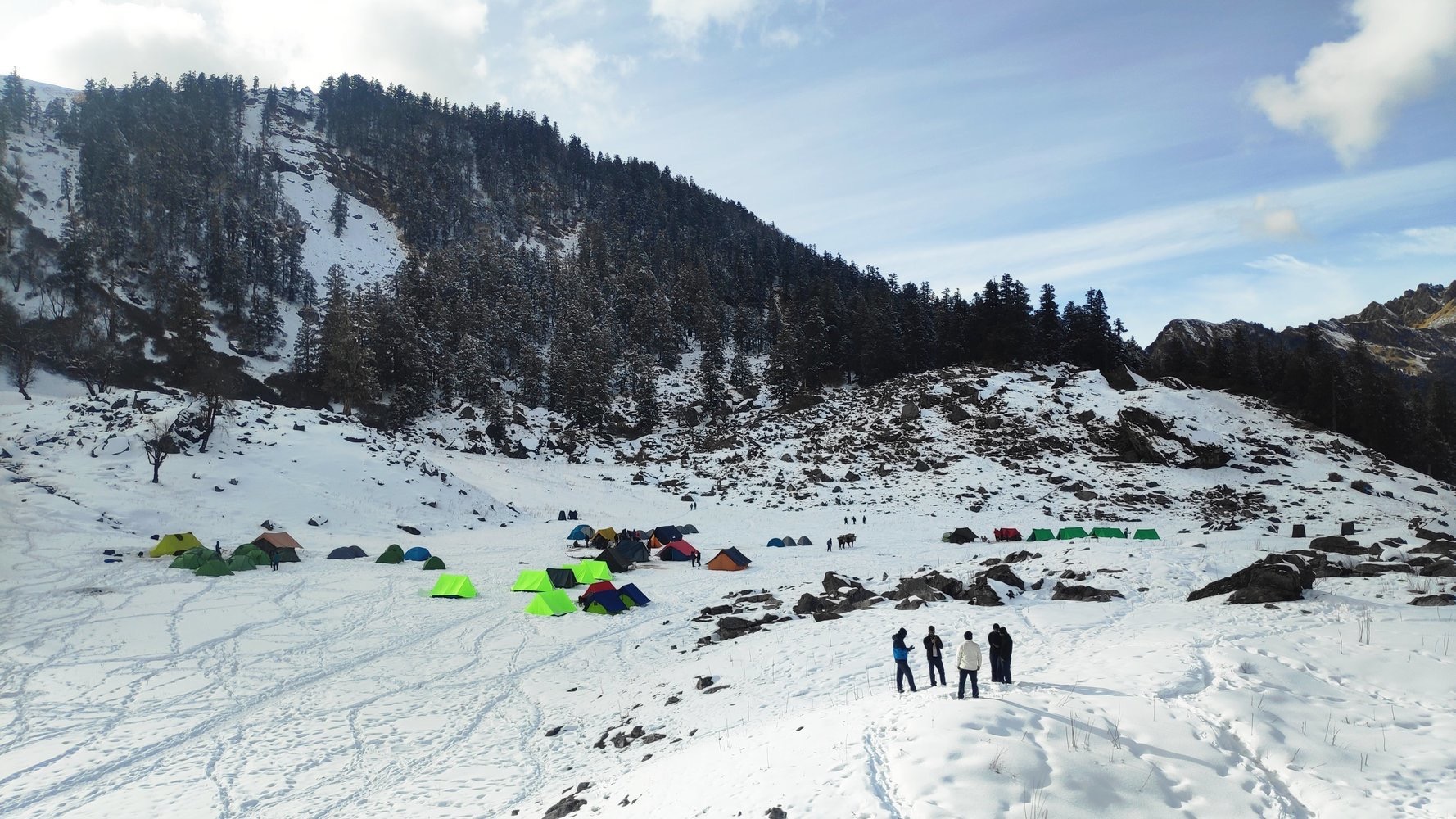
The Complete Guide to Hampta Pass Trek Route, Difficulty & Reality – Part I
Introduction: Where Two Worlds Quietly Meet
The first thing you notice on the Hampta Pass Trek is the silence changing its texture.
One moment you’re walking through lush green valleys, river sounds echoing off steep cliffs, wildflowers brushing against your boots. A few days later, the same silence feels colder, sharper — broken only by wind sweeping across barren mountains and the crunch of snow underfoot.
Hampta Pass is not loud. It doesn’t try to impress you instantly.
Instead, it unfolds slowly — revealing how dramatically the Himalayas can change within just a few kilometres. This trek isn’t about ticking off a summit. It’s about crossing from one world into another, on foot, step by step.
That transition — from the green Kullu Valley to the stark, high-altitude desert of Lahaul — is what makes Hampta Pass unforgettable.
Overview of Hampta Pass Trek
The Hampta Pass Trek is a classic Himalayan crossover trek located in Himachal Pradesh, starting near Manali and ending in the remote Lahaul region.
Key Highlights at a Glance:
✅ Region: Manali (Kullu Valley) to Lahaul
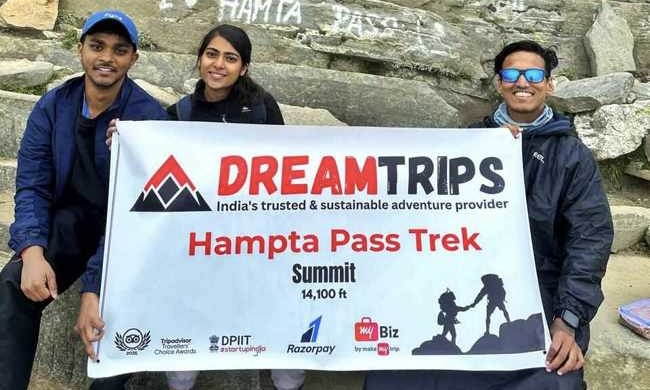
✅ Maximum Altitude: ~14,100 ft (4,300 m)
✅ Duration: 4–5 days
✅ Difficulty Level: Moderate
✅ Starting Point: Jobra (near Manali)
✅ Best Season: June to September
What makes Hampta Pass special is its contrast. In just a few days, you walk through pine forests, open grasslands, glacial valleys, river crossings, snowfields, and finally descend into a completely different landscape.
For trekkers who want variety without committing to a long expedition, Hampta Pass offers maximum Himalayan diversity in minimal time.
The Hampta Pass Trek Route: Day-by-Day Experience
Day 1: Manali → Jobra → Chika
▸ Altitude: 6,700 ft → 10,000 ft
▸ Trek Distance: ~5 km
▸ Trek Time: 4–5 hours
The journey begins with a drive from Manali to Jobra, where the trek officially starts. Almost immediately, you’re welcomed by dense pine and maple forests. The trail is gentle, well-marked, and ideal for easing your body into trekking mode.
As you walk, the Rani Nallah flows alongside — sometimes calm, sometimes roaring after rain. Chika campsite opens into a wide meadow, surrounded by towering cliffs and waterfalls.
Evening here feels calm and grounding — a perfect first night under the mountains.
Day 2: Chika → Balu Ka Ghera
▸ Altitude: 10,000 ft → 11,900 ft
▸ Trek Distance: ~8 km
▸ Trek Time: 5–6 hours
The trail now becomes more open. Forests thin out, replaced by expansive grasslands and rocky terrain. This is where trekkers begin to understand the scale of the valley.
River crossings add excitement, and the surrounding mountains start feeling closer. Balu Ka Ghera, translating to “bed of sand,” sits in a broad glacial basin — dramatic, raw, and silent.
The night here is colder. The stars feel closer. And the anticipation of crossing the pass sets in.
Day 3: Balu Ka Ghera → Hampta Pass → Shea Goru
Altitude: 11,900 ft → 14,100 ft → 12,000 ft
Trek Distance: ~10 km
Trek Time: 7–9 hours
This is the most challenging and rewarding day of the Hampta Pass Trek.
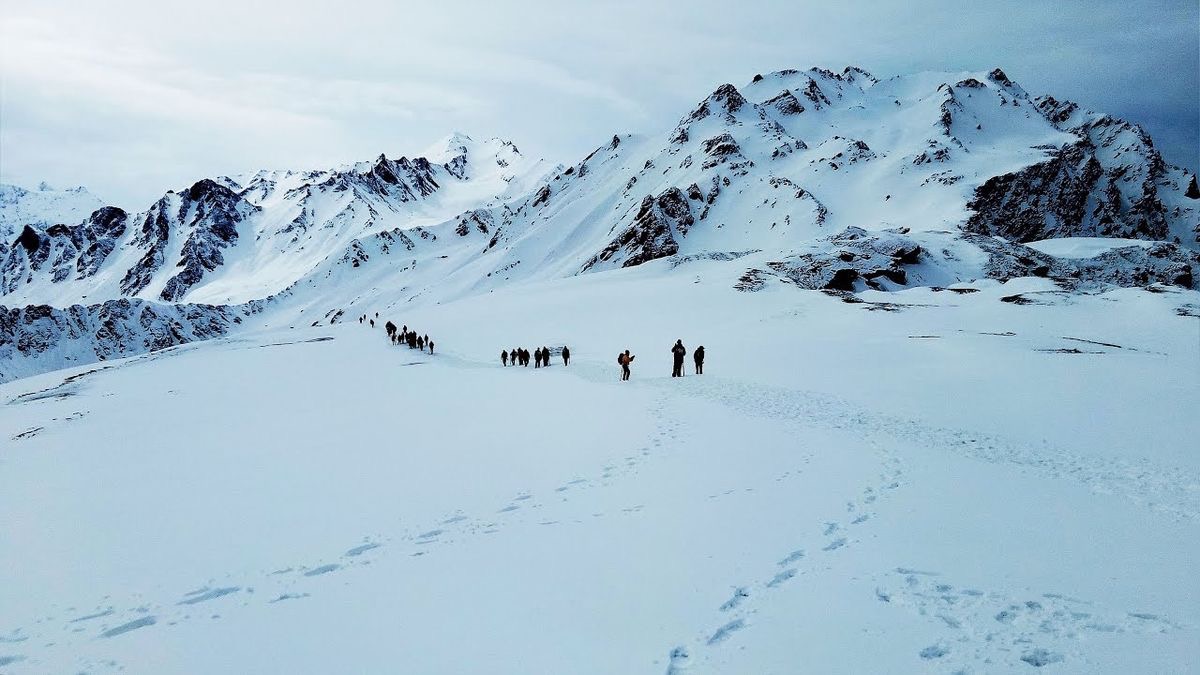
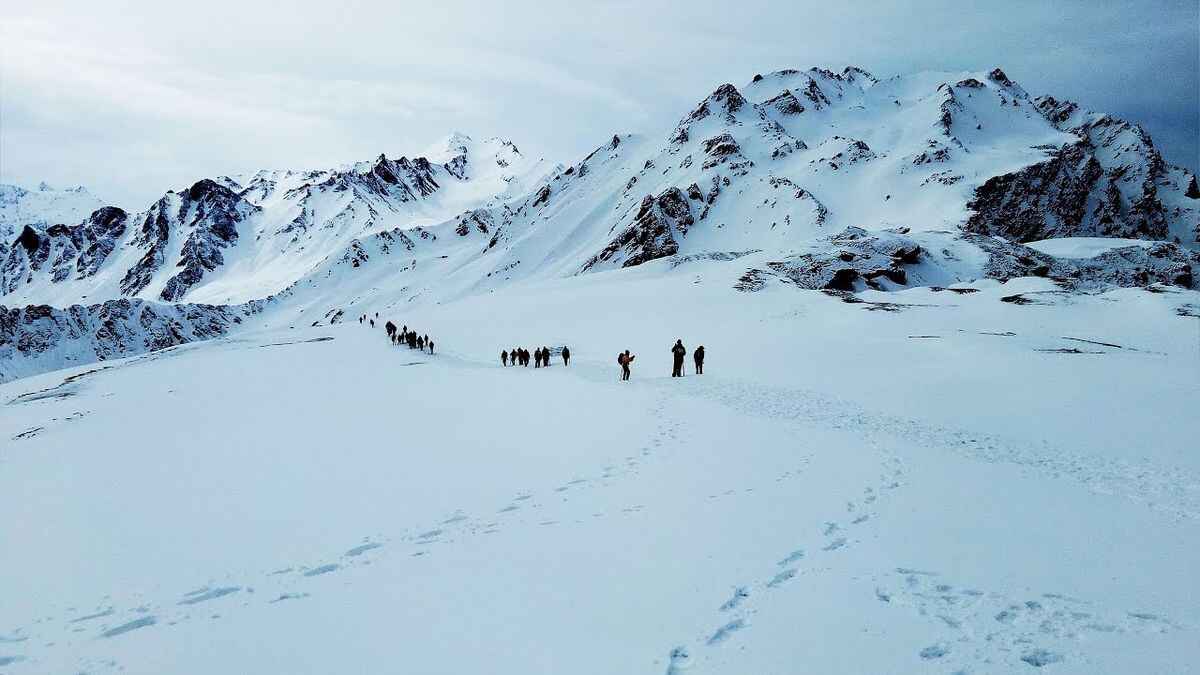
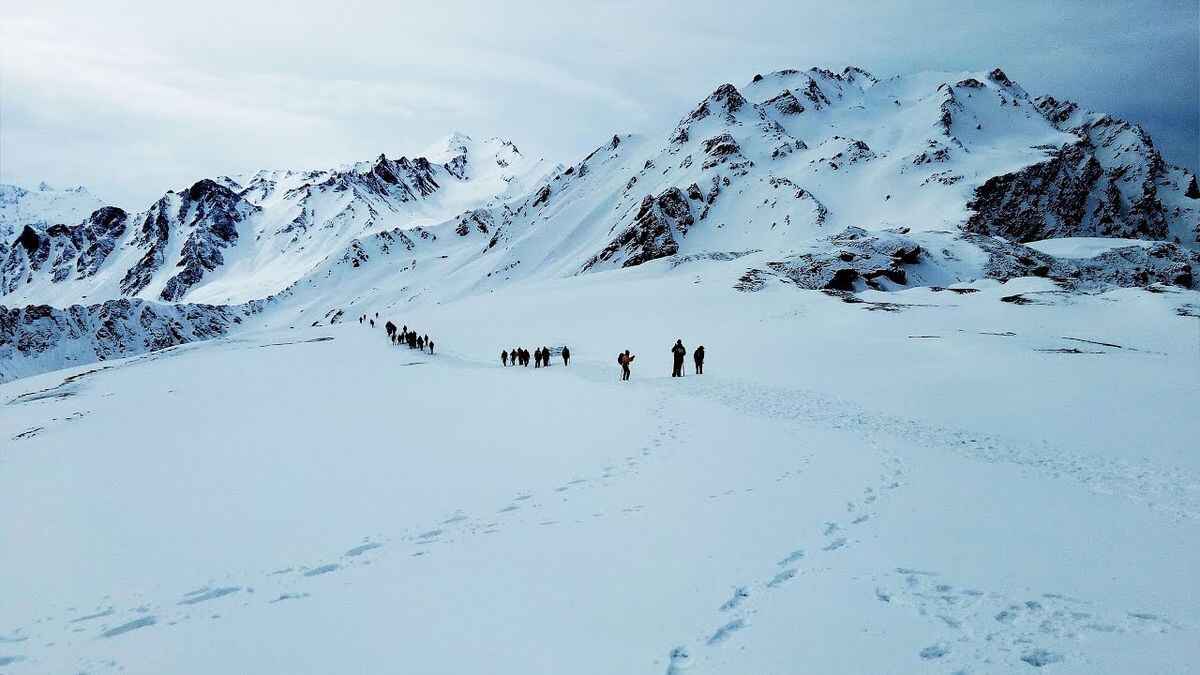
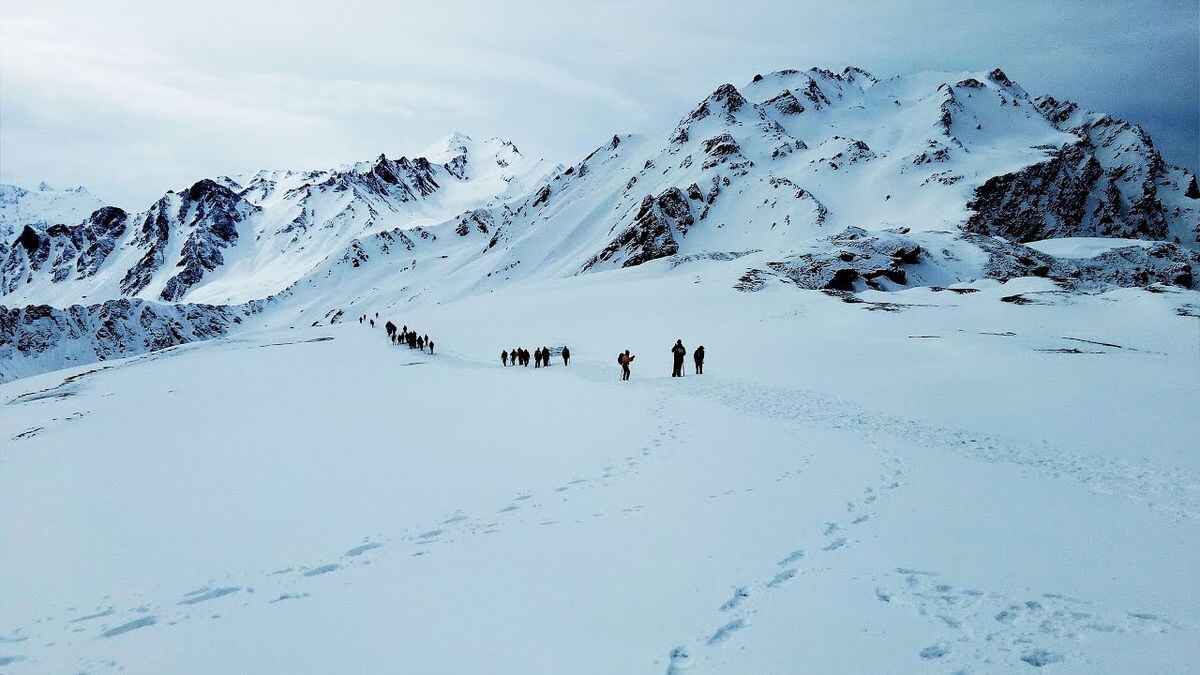
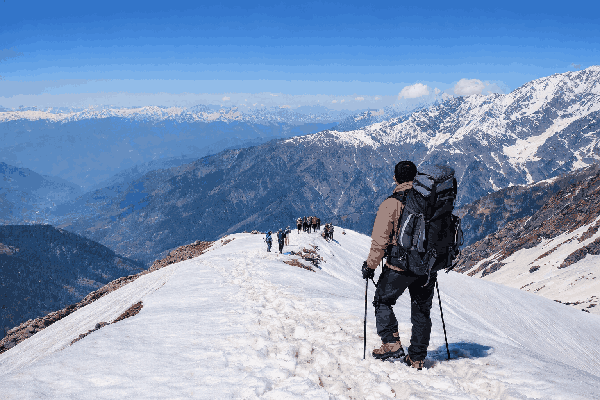
The climb to the pass begins early. Snowfields often cover the trail, especially in June and early July. Each step demands focus. Breathing becomes deliberate. Conversations fade.
And then — suddenly — you’re standing at Hampta Pass.
On one side lies the green Kullu Valley. On the other, the stark brown mountains of Lahaul. The contrast is shocking and beautiful.
The descent towards Shea Goru is steep and thrilling, often involving snow slides depending on conditions.
Day 4: Shea Goru → Chatru → Manali
▸ Altitude: 12,000 ft → 11,000 ft
The final day is a relaxed descent along the Chandra River. The terrain feels alien compared to where you started — dry, rocky, and vast.
From Chatru, the drive back to Manali completes the crossover, leaving trekkers with the surreal feeling of having walked between two different Himalayan worlds.
Why Choose Dream Trips for Hampta Pass Trek
When you trek with Dream Trips, you’re not just signing up for an itinerary — you’re trusting a team that understands Himalayan realities.
Why trekkers choose Dream Trips:
✅ Experienced & certified trek leaders
✅ Safety-first operations with real-time decision-making
✅ Budget-friendly pricing with transparent inclusions
✅ Free rental gear (where applicable)
✅ Personalized support & smaller group handling
✅ Active since 2019 with 20,000+ happy trekkers every year
✅ Strong focus on sustainability & authentic Himalayan access
Our philosophy is simple: execute the trek properly on ground, not just sell it online.
Best Time to Do Hampta Pass Trek
The best time to do the Hampta Pass Trek is from June to September.
▸ June: Heavy snow near the pass, dramatic landscapes, colder nights
▸ July: Balanced mix of snow and greenery
▸ August: Lush meadows, wildflowers, fewer snow patches
▸ September: Clear skies, stable weather, sharp mountain views
Each month offers a different experience, but June and early July are ideal for those seeking snow.
Difficulty Level & Fitness Requirements
The Hampta Pass Trek is rated Moderate.
You should be comfortable:
▸ Walking 6–9 hours a day
▸ Handling steep ascents and descents
▸ Trekking on snow and rocky terrain
Fitness preparation (recommended):
▸ Brisk walking or jogging (4–5 km)
▸ Stair climbing with backpack
▸ Light strength training
Mental endurance is as important as physical fitness on this trek.
Inclusions & Exclusions (Overview)
Typically Included:
✅ Accommodation during the trek
✅ All meals from Day 1 dinner to last day breakfast
✅ Certified trek leaders & support staff
✅ Basic safety equipment
Usually Excluded:
✅ Personal expenses
✅ Travel to and from Manali
✅ Insurance (unless specified)
Always confirm inclusions clearly before booking.
Weather Conditions on Hampta Pass Trek
▸ Day Temperature: 10°C to 18°C
▸ Night Temperature: 0°C to -5°C near the pass
▸ Weather changes quickly — rain, snow, and sunshine can occur on the same day.
Layering properly is essential. (Trek packing guide)
How to Reach the Starting Point
▸ Reach Manali via road from Delhi or Chandigarh
▸ Drive to Jobra (starting point) — arranged by trek operators
Manali is well-connected and easily accessible.
Local Culture, Flora & Fauna
The Kullu side of the trek showcases:
▸ Pine, deodar, maple forests
▸ Shepherd settlements and grazing lands
On the Lahaul side:
▸ Sparse vegetation
▸ Harsh, high-altitude desert culture
▸ Traditional Himalayan lifestyle adapted to extremes
You may spot mountain goats, Himalayan birds, and rare alpine flowers during the trek.
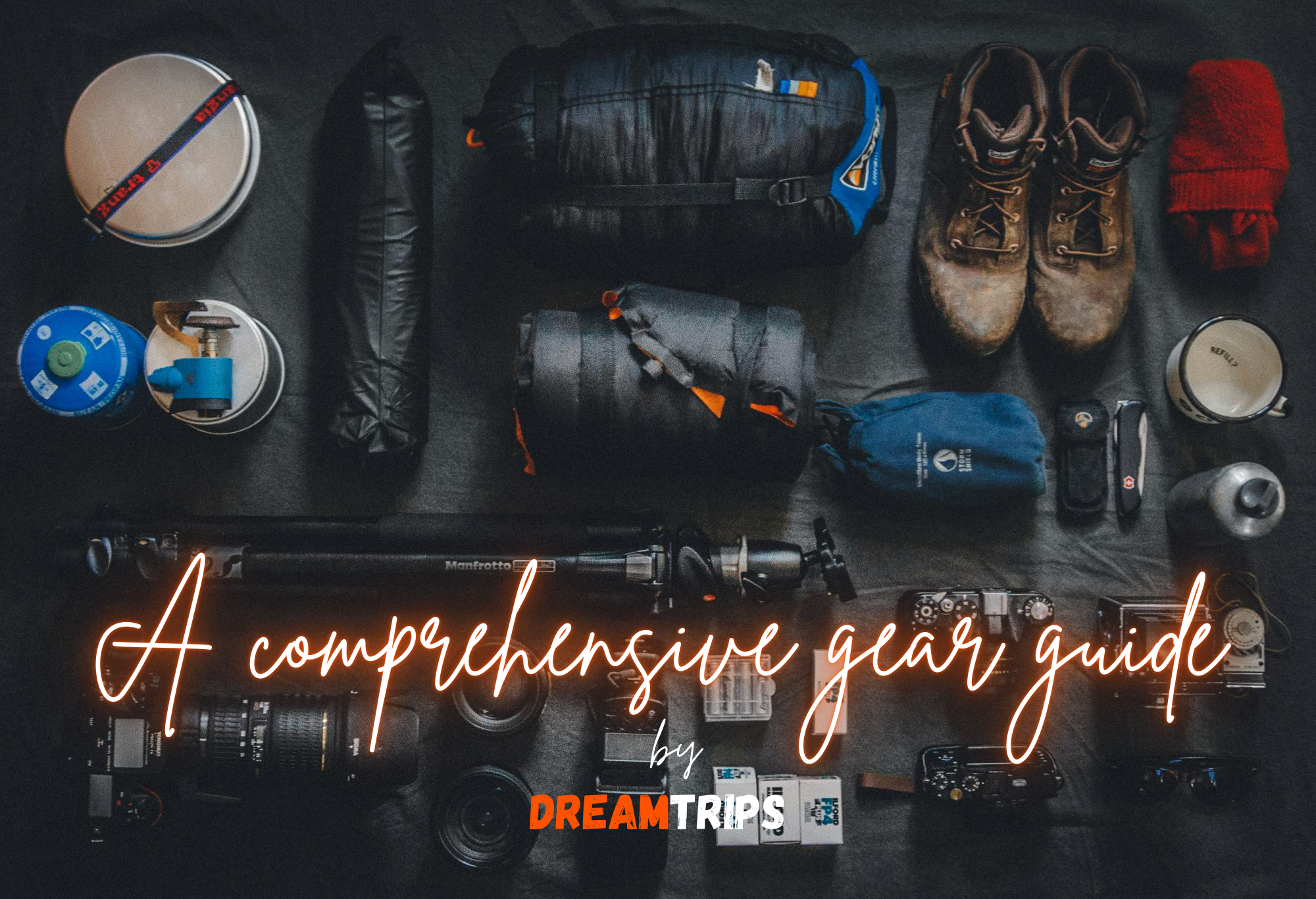
Essential Things to Carry
✅ Trekking shoes (good grip)
✅ Warm layers & waterproof jacket
✅ Backpack with rain cover
✅ Trekking poles
✅ Sunglasses & sunscreen
Proper gear makes a noticeable difference on Hampta Pass. Trek gear for every budget
Accommodation & Food on the Trek
Accommodation includes:
Guesthouse or campsite stays
Food is:
✅ Simple, nutritious, and high-energy
✅ Designed to support long trekking days
✅ Hot meals at cold camps are not a luxury — they’re a necessity.
Frequently Asked Questions (FAQs)
Is Hampta Pass suitable for beginners?
▸ Yes, with proper preparation and guidance.
Does Hampta Pass have snow?
▸ Yes, especially in June and early July.
How cold does it get at night?
▸ Temperatures can drop below freezing near the pass.
Is prior trekking experience required?
▸ Not mandatory, but helpful.
What makes Hampta Pass unique?
▸ The dramatic crossover between two completely different valleys.
Conclusion: A Trek That Changes Perspective
Hampta Pass is not just about reaching a high point.
It’s about understanding how vastly different the Himalayas can feel within a single journey.
If you’re ready to walk between worlds, embrace uncertainty, and experience contrast in its purest form — Hampta Pass is waiting.
👉 Book your Hampta Pass Trek with Dream Trips and experience the Himalayas the way they’re meant to be — raw, real, and unforgettable.
Dream Trips has been curating real Himalayan experiences since 2019.
If you’re someone who enjoys crossover treks like Hampta Pass but wants a longer, more endurance-focused Himalayan journey with diverse terrain, the Sar Pass Trek is another rewarding option to explore.