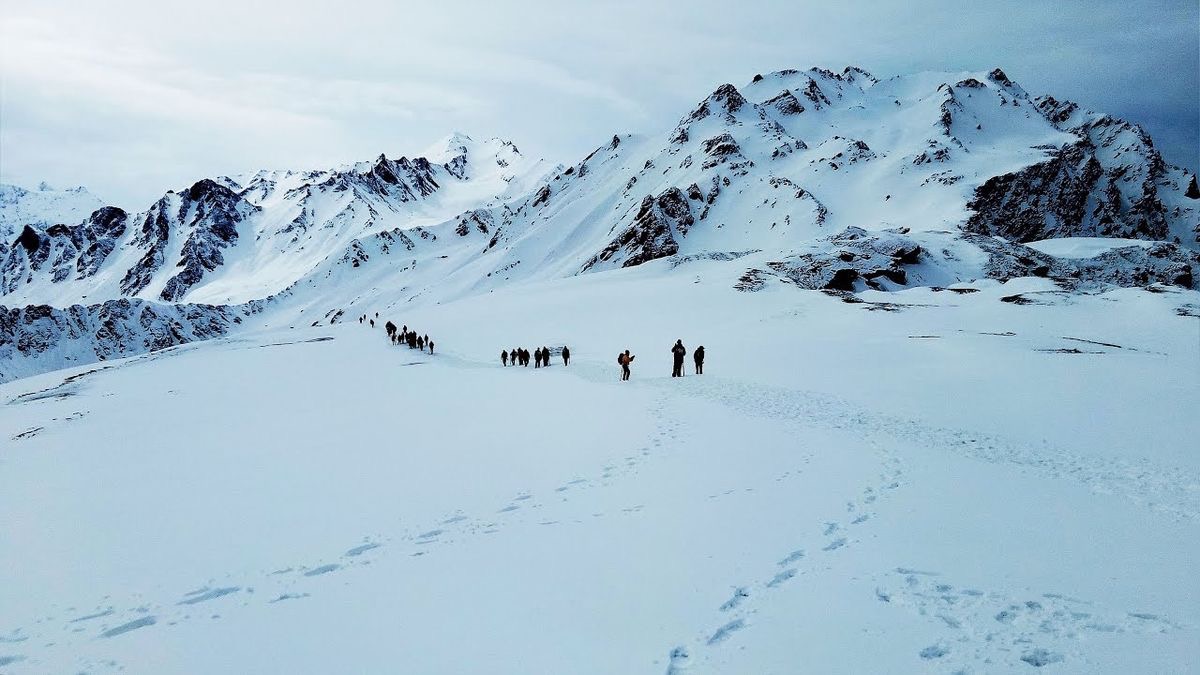
Sar Pass Trek Cost & Package Explained (What You’re Actually Paying For)
If you’ve started researching the Sar Pass Trek, you’ve probably noticed one thing very quickly — prices are all over the place.
One website quotes a low number that feels too good to be true, another charges more but doesn’t clearly explain why, and most pages hide the real details behind “inclusions” that sound similar but aren’t.
As someone who has led groups on Sar Pass and managed this trek on ground season after season, let me explain what Sar Pass Trek cost actually means, where your money goes, and how to judge whether a Sar Pass trek package is genuinely worth paying for.
This is not a sales pitch. This is the reality of the mountains.
Understanding Sar Pass Trek Cost: The Big Picture
The Sar Pass Trek cost is not just a number for reaching a pass at 13,800 ft. It’s the combined cost of running a multi-day Himalayan operation in unpredictable terrain.
When you pay for a Sar Pass trek package, you are paying for:
✅ A safe and realistic execution plan
✅ A trained team managing you for several days
✅ Logistics in remote villages and camps
✅ Food, shelter, and support where nothing is easily available
✅ If any one of these is compromised, the trek becomes cheaper — but also riskier and more uncomfortable.
Typical Sar Pass Trek Price Range (From Kasol)
For most reliable operators, the Sar Pass trek cost from Kasol usually falls in a realistic range depending on the season, group size, and execution quality.
If you see prices that are much lower than the average, it usually means:
✖️ Shortened itineraries
✖️ Inexperienced or underpaid staff
✖️ Cut corners on food or safety systems
✖️ Larger group sizes to balance costs
If you see prices that are slightly higher, it often reflects:
✅ Better-trained trek leaders
✅ Smaller, better-managed groups
✅ More realistic pacing and buffer days
The goal is not to find the cheapest Sar Pass trek price — it’s to find the most honest one.
What You’re Actually Paying For in a Sar Pass Trek Package
✅ Trek Leadership & On-Ground Execution
This is the most important cost component and the least understood.
A good Sar Pass trek leader:
✅ Manages pace so acclimatisation happens naturally
✅ Reads weather and trail conditions in real time
✅ Knows when to slow the group and when to push gently
✅ Handles tired or anxious trekkers calmly
Cheap packages often save money here by:
✖️ Hiring undertrained staff
✖️ Increasing group size
✖️ Rushing itineraries to reduce manpower days
That’s where most problems on Sar Pass actually start.
Accommodation & Campsites
Sar Pass is not a hotel trek. Your accommodation includes:
✅ Homestays or guesthouses in villages
✅ High-altitude camps with tents
✅ Sleeping systems suitable for cold nights
A well-priced Sar Pass trek package accounts for:
✅ Clean tents
✅ Proper insulation
✅ Logical campsite selection
When prices drop too low, comfort is usually the first thing sacrificed.
Food on the Trail
Food at altitude is not just about taste — it’s about energy and recovery.
A proper Sar Pass trek cost includes:
✅ Freshly prepared meals
✅ Adequate calories for long walking days
✅ Hot food even in cold conditions
Cut-rate packages often reduce food quality or quantity, which directly affects summit success.
Logistics, Permits & Local Operations
Sar Pass passes through regions where:
✅ Supplies must be transported manually
✅ Local support staff are essential
✅ Weather delays are common
These logistical realities cost money. Any Sar Pass trek price that ignores this is cutting corners somewhere.
Why Sar Pass Trek Cost Changes by Month (April–June)
April to Early May
✅ Heavy snow on upper sections
✅ More manpower required
✅ Slower movement
Costs are often slightly higher due to increased effort and risk management.
Mid-May to June
✅ Snow gradually melts
✅ Trails become clearer
✅ Movement becomes smoother
This period offers a balance of snow experience and comfort, which is why demand — and sometimes prices — peak.
Common Pricing Myths - That You Should Ignore
- All Sar Pass Trek Packages Are the Same
- They are not. Similar itineraries on paper can feel completely different on ground.
- Lower Price Means Better Deal
In the Himalayas, lower price often means higher compromise.
“Difficulty Is Easy, So Cost Should Be Low”
Sar Pass may be classified as easy to moderate, but it is still a multi-day high-altitude trek with a demanding summit day.
Who Should Choose Sar Pass Trek (Cost vs Value Perspective)
Sar Pass is worth the cost if you:
✅ Want a complete Himalayan experience in one trek
✅ Are okay with discomfort in exchange for real adventure
✅ Value safety, pacing, and proper leadership
Sar Pass may not be worth it if you:
✅ Expect luxury or comfort travel
✅ Are unwilling to prepare physically
Choose only based on the lowest price
The Real Mistake First-Time Trekkers Make With Cost
▸ Most first-time trekkers ask:
“Which Sar Pass trek package is cheapest?”
▸ The better question is:
“Which Sar Pass trek package will help me actually complete the trek safely and enjoy it?”
Many summit failures and bad experiences have nothing to do with fitness — they come from poor execution chosen in the name of saving money.
How to Judge a Sar Pass Trek Package Correctly
Before booking, look for clarity on:
✅ Group size
✅ Trek leader experience
✅ Daily walking hours
✅ Food details
✅ Contingency planning
If a package explains how the trek is run, not just what is included, it’s usually a safer choice.
For a clear view of how this trek is executed on ground — including pacing, safety approach, and realistic planning — you can refer to the Sar Pass Trek Package page.
Linking Cost With the Bigger Picture
Cost should never be seen in isolation. It only makes sense when you understand:
✅ The route
✅ The effort involved
✅ The execution philosophy
If you want a deeper understanding of the trek itself — route, terrain, and what each day feels like — reading a detailed Complete Guide to Sar Pass Trek helps put pricing into perspective.
Frequently Asked Questions (FAQ)
What is the average Sar Pass trek cost from Kasol?
▸ Most reliable Sar Pass trek packages from Kasol fall within a realistic mid-range that reflects proper leadership, food, and logistics rather than just basic inclusion lists.
Why do Sar Pass trek prices vary so much?
▸ Differences usually come from group size, leader experience, food quality, and how conservatively the trek is planned.
Is a cheaper Sar Pass trek package risky?
▸ Not always, but extremely low prices often indicate compromised execution, rushed itineraries, or inadequate support.
Does higher cost guarantee a better Sar Pass experience?
▸ Not automatically. Transparency and execution matter more than price alone.
Is Sar Pass Trek worth the cost for beginners?
▸ Yes, if beginners choose a package that focuses on pacing, guidance, and realistic planning rather than just low pricing.
Final Thought: Pay for Execution, Not Just Inclusions
In the mountains, success is rarely about strength alone. It’s about how well things are managed when you’re tired, cold, and unsure.
A good Sar Pass trek package doesn’t promise miracles — it quietly handles the details so you can focus on walking, breathing, and experiencing the Himalayas the way they’re meant to be experienced.
That’s what you’re really paying for.